
Executive Summary
Finding a medical negligence attorney in Johannesburg is a grueling journey through a city of deep divides. This article strips away the corporate “wallpaper” to expose the reality of litigating against giants like the Gauteng Department of Health or private groups in Sandton.
True expertise isn’t found on a billboard; it’s found in boutique firms—from Linden to Parktown—that possess the financial “war chest” and clinical obsession to challenge the “reasonable doctor” test. You must navigate a legal landscape defined by the “Section 7” notice traps of public hospitals like Chris Hani Baragwanath and the aggressive defense strategies of private facilities like Netcare Milpark.
Success is rarely a lottery win. It is a bittersweet, years-long marathon through the High Court CBD, ending in a payout calculated by actuaries for lifelong care. This guide serves as a map to spot red flags, understand “No Win-No Fee” traps, and ask the uncomfortable questions necessary to find a partner you can trust. In a system that often treats you as a file number, the right lawyer is the one who restores your agency and acknowledges that your pain matters.
Why This Search Feels Impossible
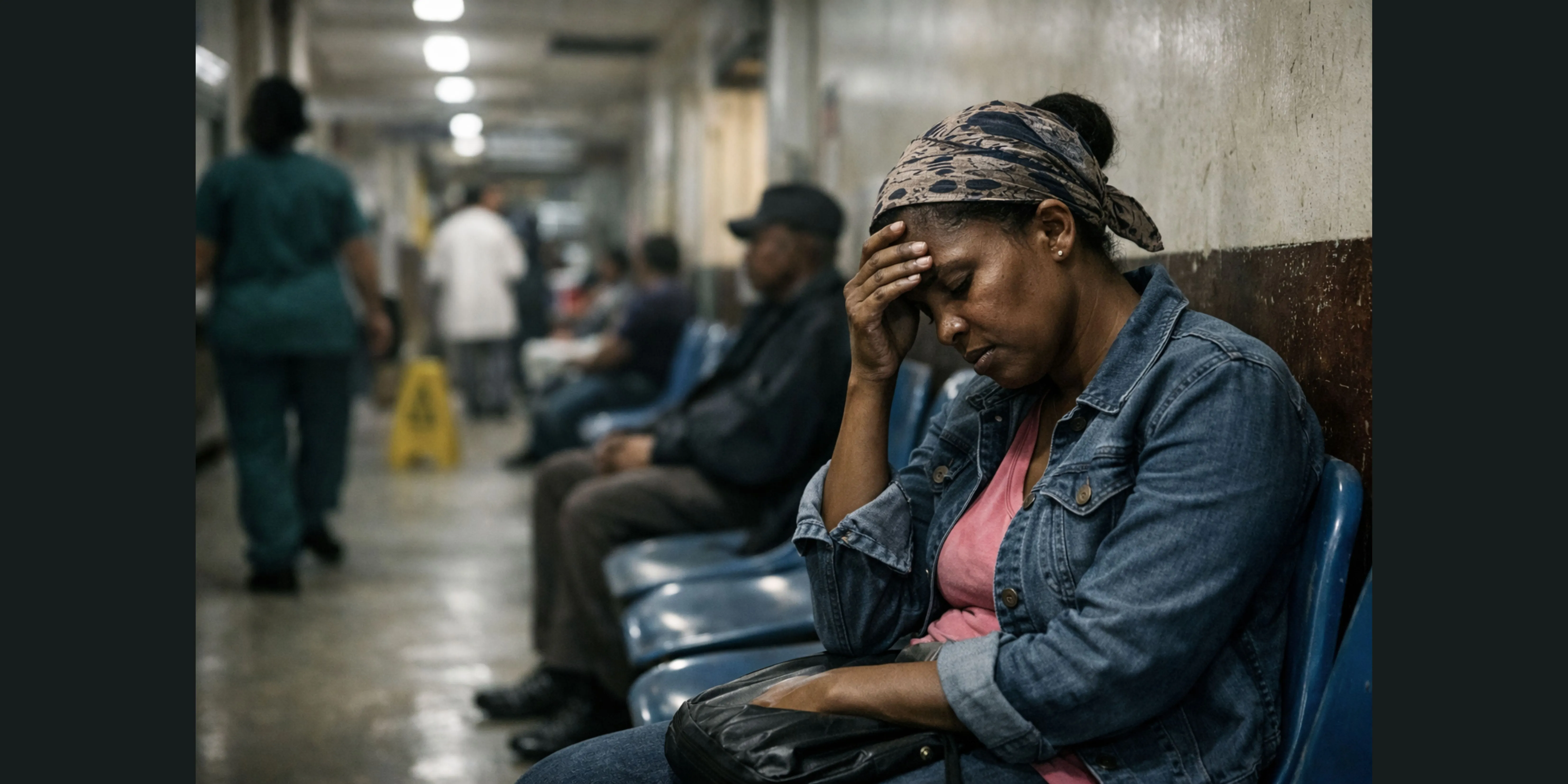
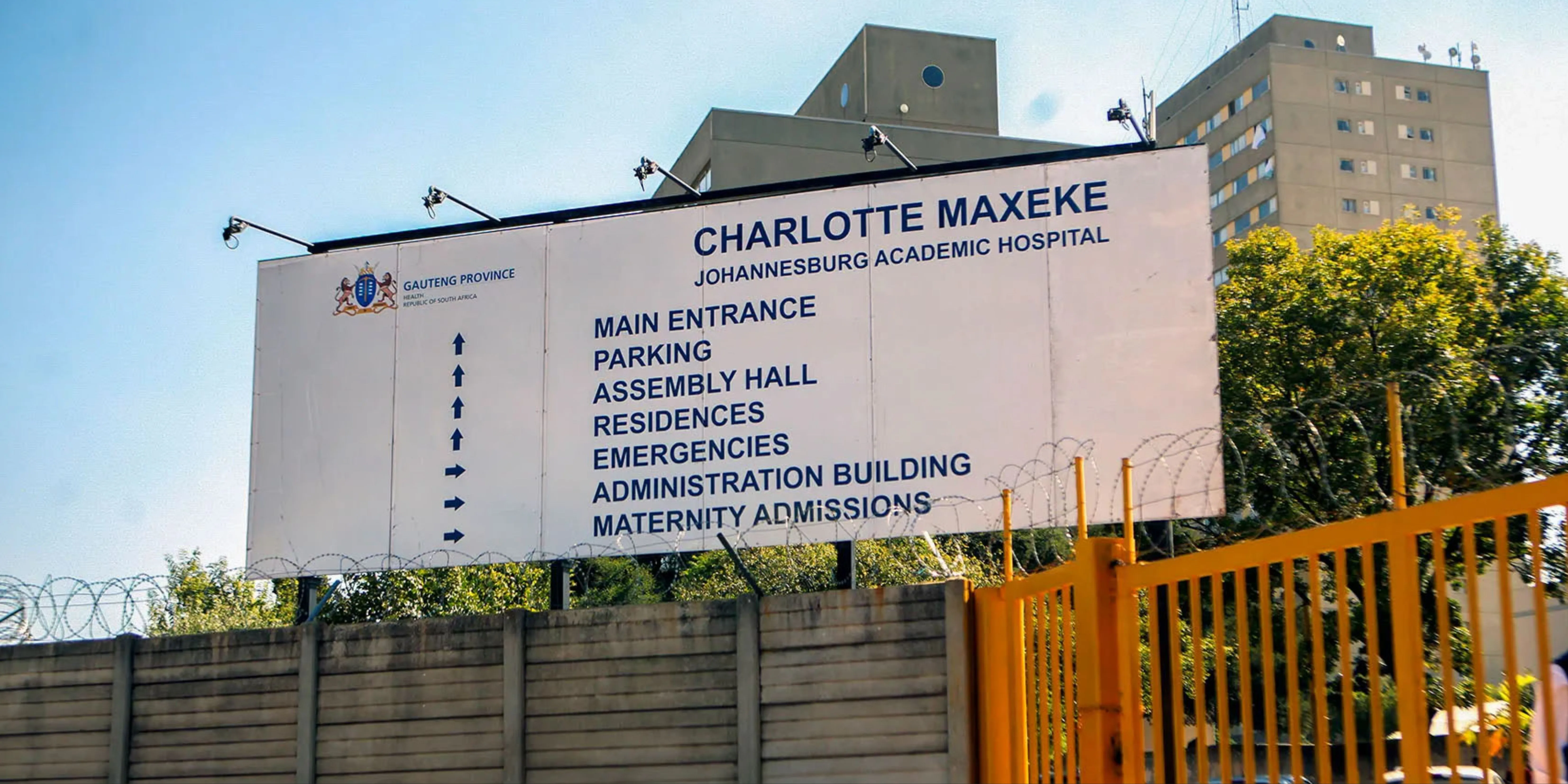
You are likely exhausted. Johannesburg is a city that demands a lot from its people even on a good day. When you have been hurt by a medical mistake, the city feels hostile. You might be navigating the crowded halls of Chris Hani Baragwanath in Soweto or waiting for news in a plastic chair at Charlotte Maxeke. The air in those buildings is heavy. It smells like cleaning fluid and desperation.
The Weight of Betrayed Trust
You trusted someone with your life. Or maybe it was the life of your child. Now that trust is gone. It is replaced by a cold, hard anger. Or perhaps it is just a quiet, hollow sadness. Searching for a lawyer feels like trying to find a specific grain of sand in a Diepsloot dust storm. There are too many names.

The Silence in the Wards
Every billboard in Randburg or Braamfontein seems to promise the same thing. They promise justice. They promise millions of Rands. But they do not talk about the fear you feel when you wake up at 3:00 AM. They do not mention the confusion of reading a medical report that feels like it was written in a foreign language.
I have seen this many times. A family comes from Alexandra or Ivory Park with a plastic folder full of crumpled papers. They have been to three different clinics. They have tried to get answers from the hospital staff in Orlando, but they were met with silence. Now they are looking for a champion.

The Cultural and Economic Chasm
The legal world in Johannesburg can feel just as cold as the medical one. It is a world of mahogany desks and expensive suits in Sandton. It feels far away from the reality of a shared room in a public ward. The gap between your life and the lawyer’s office is wide. It is intimidating.

The Fear of Being a Number
You worry that they won’t understand what it is like to rely on the South Rand Hospital. You fear they will see you as a file number rather than a human being. This is why the search feels impossible. It is not about finding a legal expert. It is about finding someone who will look you in the eye and tell you the truth.
Most people give up before they even start. The bureaucracy of the Gauteng Department of Health is a wall. It is designed to be thick. It is designed to make you tired. You think about the years of litigation and the mounting bills.
Navigating a Divided City
You think about the doctors who seem untouchable. It is easier to just try and move on. Even if moving on is impossible because the injury is permanent. But you are here because you know something is wrong. You know that what happened at Rahima Moosa or Helen Joseph was not a “complication.” It was a failure.
The Illusion of Choice
You want someone to acknowledge that. The search for a lawyer is actually a search for validation. You want someone to say that your pain matters. You want the system to look at itself in the mirror. Johannesburg is a place of extremes.
You see the wealth of Hyde Park and the struggle of Hillbrow from the same highway. The legal market reflects this. There are lawyers who only want the “big” cases from Netcare Milpark. Then there are those who claim to help the poor but disappear when the work gets difficult. This creates a deep sense of cynicism.

The Long Road Ahead
I understand that cynicism. It is a rational response to a broken system. You have been let down by the people who were supposed to heal you. Why should you trust a lawyer to fix it? The legal system is slow. It is often unfair.
A War of Attrition
Wait. I am making it sound too bleak. It is not entirely hopeless. But I will not lie to you. This path is long. It is not a quick fix. If you are looking for a lawyer, you are looking for a partner for a journey that might take five or ten years. That is a heavy realization.
Think about your daily commute. Maybe you take the train from Roodepoort or a taxi through the CBD. You know how to navigate this city. You know which streets to avoid at night. You know how to find a way when the main road is blocked. Finding a lawyer requires that same kind of street smarts.

The Struggle for Clarity
It requires a refusal to be intimidated by the shiny glass buildings in Rosebank. You might be sitting in a small flat in Berea or Maboneng right now. You are looking at a screen and hoping for a sign. The information overload is real. Every website looks the same.
Stripping Away the Wallpaper
Every lawyer says they are the best. They use words like “dedicated” and “compassionate.” These words have lost their meaning. They are just wallpaper. I want to strip away that wallpaper. I want to talk about the grit of this process.
It is about more than just paperwork. It is about the specific way a doctor in a Parktown clinic failed to monitor a fetal heart rate. It is about the nurse at Life Brenthurst who ignored a rising fever. These are the details that matter. If a lawyer doesn’t want to hear those details, they are the wrong lawyer.
The Power Dynamic
Sometimes I think we focus too much on the “best” lawyer. “Best” is a subjective word. It is a marketing word. What you actually need is the right lawyer. The right lawyer for someone living in a backyard room in Alexandra is different from the right lawyer for someone in a mansion in Bryanston.

Reclaiming Your Agency
Their needs are different. Their risks are different. Let’s be honest about the power dynamic. When you walk into a law firm in the Johannesburg South area, you are the one with the problem. They are the ones with the supposed solution.
This puts them in a position of power. Some lawyers use that power to make you feel small. They use Latin terms and legal jargon to keep you at a distance. They want you to be a passive passenger in your own case. Do not let them.
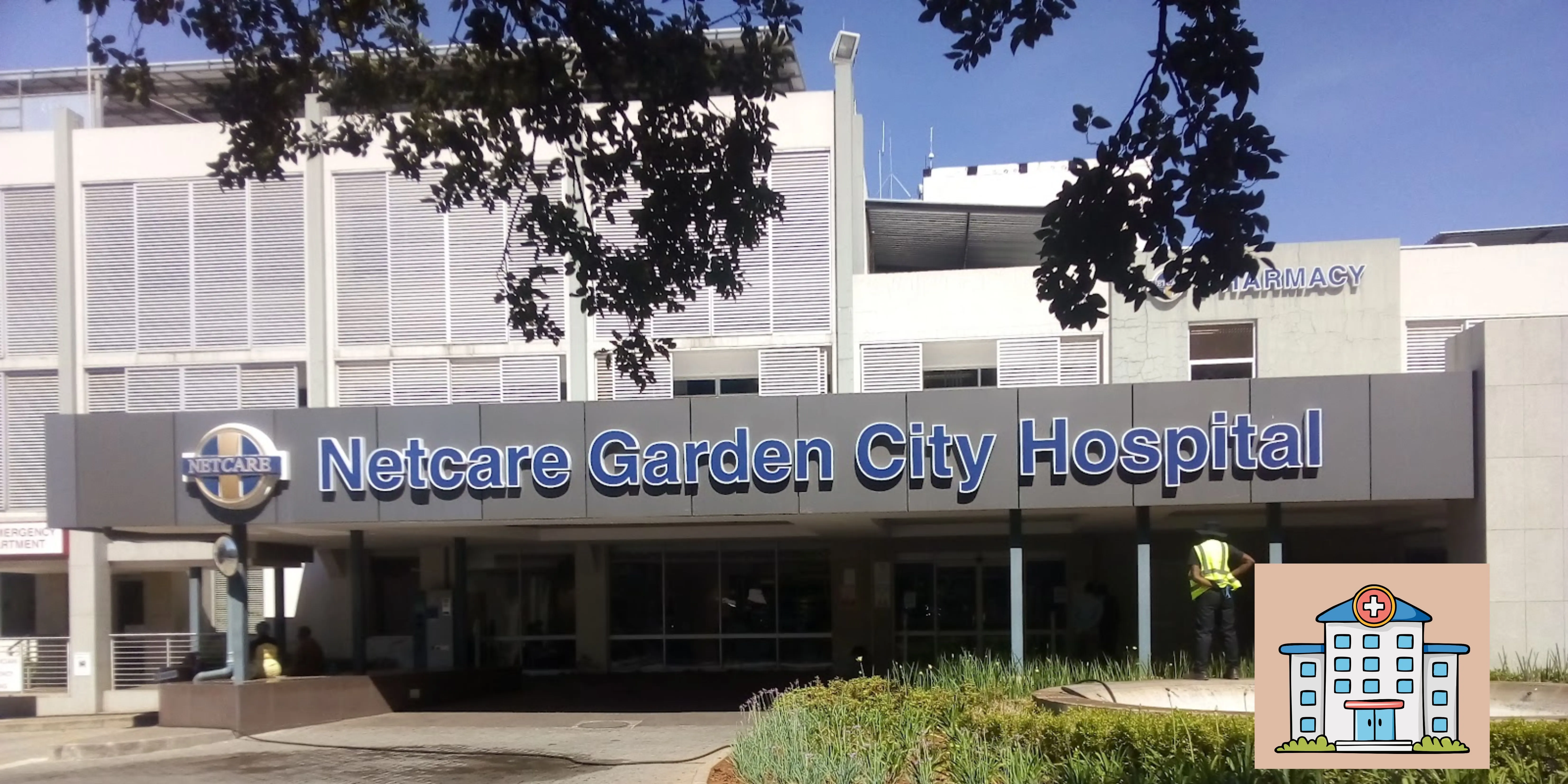
This is your life. This is your injury. If you were hurt at Netcare Garden City, you are the one who has to live with the consequences every single day. The lawyer goes home to their quiet house. You go home to the reality of your pain.
High Stakes and Hard Choices
Never forget that. You are the employer in this relationship, even if the money hasn’t changed hands yet. The search feels impossible because the stakes are so high. If you choose the wrong person, you lose more than just a case. You lose time.

Refusing the First Answer
You lose hope. You might even lose the chance to ever get the care you need. Johannesburg is a city that doesn’t offer many second chances. You feel the pressure to get it right the first time. It is okay to feel overwhelmed.
It is okay to be angry at the doctors at Clinix Solomon Stix Morewa Memorial. It is okay to be scared of the legal fees. Most people in your position feel exactly the same way. The ones who succeed are the ones who keep pushing despite the fear. They are the ones who refuse to accept the first answer they are given.
Disclaimer The information in this section is general in nature. It does not replace professional legal or medical advice. My reflections are based on broad observations of the Johannesburg legal market and should not be taken as a specific diagnosis of any firm or medical facility. Always consult with a qualified professional for your specific situation.
Understanding the Johannesburg Legal Landscape
The legal world in Johannesburg is not a single place. It is a collection of silos that rarely talk to each other. You see the giants in Sandton with their glass towers and silent elevators. These firms often act for the big hospital groups or the insurance companies. They are the defense.

The Geography of Power
Then you have the lawyers you see while driving on the M1 near Rosebank. They promise quick cash and big wins. Their offices are often busy and loud. You are one of a hundred files on a desk. They focus on volume.
If you want someone to actually fight for you, you have to look deeper. There are boutique firms in places like Linden or Parktown. These lawyers specialize only in medical negligence. They do not do divorces or property deals in Midrand on the side. They know the medicine as well as they know the law.
Where the Litigation Lives
Johannesburg is the litigation capital of South Africa for a reason. This is where the money is. It is also where the worst medical failures happen because the system is under such immense pressure. The Gauteng Department of Health is currently facing billions of Rands in claims.
This is a staggering amount of failure. When you sue a public hospital like Chris Hani Baragwanath Academic Hospital in Soweto or Charlotte Maxeke Johannesburg Academic Hospital, you are suing the State. The State is a slow, clumsy opponent. They often lose your files.

Dealing with the State
They take months to respond to a simple letter. Your lawyer needs to be someone who can handle that frustration without giving up. Suing the government requires a special kind of patience. It also requires a very strict adherence to timelines.
Suing a private hospital group in Fourways or Bryanston is different. They are efficient. They have deep pockets and expensive legal teams. They will fight you on every single detail. They want to protect their reputation and their bottom line.
The High Court Grinder
The Gauteng Division of the High Court in the CBD is currently a mess of backlogs. If you file a summons today, you might not see a judge for years. There are new rules about mandatory mediation to try and speed things up. Some lawyers hate this.
The Mediation Barrier
Others use it to get a settlement before the trial even starts. Effective from 2025, you generally cannot even get a trial date without a mediator’s report. This is meant to help. But it can also be another hurdle for someone living in Alexandra or Ivory Park who just wants an answer.
You need to understand the lead times. I have seen cases where the trial date is set for eighteen months or two years into the future. This is a long time to wait when you are struggling to pay for therapy or medication. It is a war of attrition.

The Waiting Game
The system waits for you to get tired. There are also firms in Braamfontein that operate on a smaller scale. They might be more accessible, but they often lack the money needed for a big medical case. Medical litigation is expensive.
You have to pay for expert doctors to testify. A small firm might not be able to afford the best experts from Netcare Milpark Hospital or Wits Donald Gordon Medical Centre. This is the reality of the landscape. It is divided by geography and by money.
Timelines and Traps
You are caught in the middle of it. You need a lawyer who understands both the prestige of the Sandton boardrooms and the grit of the Hillbrow clinics. They need to be able to navigate both worlds. Be careful of the lawyers who talk too much about their past wins.

The Prescription Clock
Every case is different. A win for a birth injury in Orlando doesn’t mean they can win a surgical error case in Randburg. Look for the lawyer who asks you questions instead of just giving you a sales pitch. If you were hurt at Helen Joseph Hospital or Rahima Moosa Mother and Child Hospital, there are specific timelines.
You must meet these. If you miss a deadline, your case is dead before it starts. This is why the generalist lawyer in Roodepoort is a danger to you. They might not know about the specific notice periods required for state claims.
The Section 7 Notice
For a state hospital, you usually have to give notice within six months of the incident. Six months is nothing when you are grieving or recovering. It flies by. Many people in Johannesburg South or Diepsloot only realize they have a claim years later.
By then, the mountain is much harder to climb. Choosing a lawyer is about finding someone who fits into this landscape but stands apart from the noise. You want someone who knows the judges and the opposing counsel. You want someone who isn’t afraid to walk into a boardroom in Hyde Park and demand what is fair.
But you also want someone who will answer your call when you are having a breakdown. The landscape is cold. Your lawyer should not be.
The Specialized Nature of Medical Negligence
Medical negligence is not just another type of personal injury. It is not like a car accident on the M1 where you can look at skid marks and dented metal. In a car accident, the physics are obvious. In medical negligence, the evidence is often hidden inside a person’s body or buried in a stack of complex charts at Life Brenthurst Hospital.

The Intersection of Two Worlds
To do this work well, a lawyer must live in two worlds at once. They must understand the law, of course. But they must also understand the medicine. If they do not know what a “hypoxic-ischaemic” injury is, they cannot help a child injured at Rahima Moosa Mother and Child Hospital.
Beyond the Legal Degree
A lawyer who spends their morning doing property transfers in Midrand and their afternoon doing a medical claim is a dangerous choice. They are dabbling in a field that requires total immersion. The medicine is moving fast. Treatments change. Standards of care evolve.
If your lawyer doesn’t understand the specific protocol for a C-section at Netcare Park Lane Hospital, they won’t know where the doctor went wrong. They will miss the subtle signs of negligence. They will accept the hospital’s excuses because they don’t have the knowledge to push back.

The Difficulty of Proving Fault
In South Africa, the law doesn’t care if the outcome was bad. It only cares if the doctor was negligent. This is a hard truth to hear. You can go into a surgery at Netcare Garden City and come out paralyzed, but that doesn’t automatically mean you have a case.
The “Reasonable Doctor” Test
The court looks at what a “reasonable” doctor would have done in the same situation. This is where things get murky. Doctors are often hesitant to testify against their colleagues. It is a small world in Johannesburg. A specialist at Wits Donald Gordon Medical Centre might know the surgeon you are suing.
You need a lawyer who knows how to break through that wall of silence. They need to find independent experts who are willing to speak the truth. This isn’t just about finding any doctor. It’s about finding the right doctor who can explain complex science to a judge who isn’t a scientist.

Causation: The Hidden Hurdle
Even if you prove the doctor made a mistake, you still have to prove that the mistake caused your injury. This is called causation. It sounds simple, but it is the place where most cases in the Johannesburg High Court fall apart.
The “But-For” Argument
The lawyer has to show that “but for” the doctor’s mistake, you would be healthy. The defense will argue that you were already sick. They will say the injury was inevitable. If you were treated at a clinic in Diepsloot before going to a hospital, they will try to blame the clinic.
They will use your medical history against you. They will look at your life in Alexandra or Soweto and try to find any other reason for your suffering. It is a brutal process. Your lawyer needs to be ready for this specific type of clinical combat.
The Cost of Specialization
This level of expertise is not cheap. Running a proper medical negligence case can cost hundreds of thousands, if not millions, of Rands before you even get to court. The firm has to pay for the experts, the advocates, and the research.
Why Generalists Fail
A general lawyer in Roodepoort or Randburg often doesn’t have the cash flow to sustain this. They might take your case because it looks lucrative, but they will start to cut corners when the bills pile up. They might settle for a low amount at a boardroom in Sandton just to get out of the deal.
You are paying for their focus. You are paying for the fact that they spent the last twenty years looking at fetal heart rate monitors or surgical notes. If they aren’t obsessed with the medical details, they aren’t specialists. They are just intermediaries.
The Burden of Evidence
The evidence in these cases is almost always held by the people you are suing. The hospital records are the key. Sometimes, records mysteriously go missing at public hospitals like South Rand Hospital or Helen Joseph Hospital.
Reconstructing the Truth
A specialist lawyer knows how to reconstruct what happened even when the files are thin. They know how to look at nursing notes, pharmacy logs, and lab results to find the truth. They understand the “language” of the hospital.
If a lawyer asks you to bring them “proof” of the mistake, be careful. A real specialist tells you they will find the proof. They know that you, the patient, are often the last person to know what really happened while you were under anesthesia or in a coma.
How to Spot a Genuine Specialist
You will find that many lawyers in Johannesburg claim to be specialists. They put it on their websites and print it on their business cards in Rosebank. But specialization is not a title you give yourself. It is a reality of how you spend your time and where you put your money.
The Financial Capacity Test
Medical negligence cases are the most expensive type of law to practice. To win, a lawyer has to pay for the time of the best doctors in the country. These doctors, often from places like Wits Donald Gordon Medical Centre or Netcare Milpark Hospital, do not work for free. Their hourly rates are astronomical.
Who is Funding the Fight?
A genuine specialist firm has the financial muscle to carry these costs. If a lawyer asks you to pay for the medical experts upfront, you should be very cautious. Most people in Soweto or Alexandra cannot afford a R50,000 expert report out of their own pocket.
If the firm cannot or will not risk their own money on your case, it might mean they don’t believe in it. Or it might mean they don’t have the “war chest” needed to go the distance. You need to know that they can survive a five year fight with the State.
The Trial Record
Ask a lawyer how many times they have actually stood in front of a judge in the Gauteng High Court for a medical trial. Many lawyers settle every single case because they are afraid of the courtroom. They take the first “okay” offer from the hospital’s insurers in Sandton.
The Settlement Trap
Settling is often good, but you only get a good settlement if the other side knows you are willing to go to trial. If a firm hasn’t run a trial in years, the defense lawyers know it. They will offer you less because they know your lawyer is looking for an easy way out.
Don’t be afraid to ask for case numbers. A real specialist will be proud of their record. They will tell you about the cases they won and, if they are honest, the ones they lost. No one wins every time in this field.
Access to the “Inner Circle”
The best medical experts are picky about which lawyers they work with. They don’t want to work with “fly-by-night” attorneys from the CBD who don’t understand the science. They want to work with lawyers who respect their time and understand their reports.

The Expert Network
A genuine specialist has a network of top-tier clinicians. If you were injured during birth at Rahima Moosa Mother and Child Hospital, your lawyer should immediately know which obstetrician and which neonatologist to call. They shouldn’t be searching Google for an expert while you are sitting in their office.
They should have a relationship with the people who write the textbooks. If they are using a retired GP from Randburg to comment on a complex neurosurgery case from Life Brenthurst Hospital, that is a red flag. You need a specialist to catch a specialist.
The Focus of the Practice
Look at the other files on their desk. If you see divorce papers, labor disputes, and car accident claims, you are not in a specialist firm. You are in a general practice. Medical negligence requires 100% of a lawyer’s brain.
The Danger of the “Side Hustle”
Some lawyers in Midrand or Roodepoort use medical negligence as a “side hustle” because the payouts are high. But they don’t have the systems in place to manage the complexity. They miss the subtle changes in the law regarding “non-patrimonial loss” or new court directives.
A real specialist office feels like a medical library. There should be anatomy posters on the wall or medical journals on the coffee table. When they talk, they should use words like “standard of care” and “differential diagnosis” as easily as they use legal terms.
Transparency About Risks
A fake specialist tells you that you are going to be a millionaire. They focus on the money because they know that is what you want to hear when you are struggling in Hillbrow or Berea. A genuine specialist focuses on the risks.
The Brutal Honesty Factor
They will tell you that the case is hard. They will explain why the defense might win. They will be honest about how much of your settlement will go to fees and experts. If it sounds too good to be true, it probably is.
I have seen people from Johannesburg South lose everything because a lawyer promised them the world and then disappeared when the case got difficult. Look for the lawyer who makes you feel a little bit uncomfortable with their honesty. That is the person you can trust.
The Geography of Negligence in Joburg
Johannesburg is a city of invisible walls. We all know them. There is the wall between the manicured lawns of Bryanston and the crowded blocks of Alexandra. There is the wall between the private suites of Netcare Rosebank Hospital and the overflow wards of Chris Hani Baragwanath Academic Hospital. When medical negligence happens, these walls determine the path your life will take.
The Public Sector Battleground
If your injury happened in a state facility like Charlotte Maxeke Johannesburg Academic Hospital or Helen Joseph Hospital, you are facing a specific kind of giant. The Gauteng Department of Health is effectively broke. They are fighting a defensive war against thousands of claimants. This makes them cold, and it makes them slow.
The State’s Strategy of Exhaustion
When you sue the State, they don’t just fight the facts. They fight for time. They know that a family in Diepsloot or Ivory Park might not have the resources to wait six years for a settlement. They use every procedural trick in the book to delay.
Your lawyer needs to be someone who has spent time in the trenches of the public health system. They need to know that files at South Rand Hospital have a habit of “getting lost” when a summons arrives. They need to be aggressive enough to force the State’s hand. If your lawyer is too polite, the State will simply ignore them.

The Section 7 Notice: A Lethal Deadline
There is a technicality that kills more cases than anything else. It is the Institution of Legal Proceedings Against Certain Organs of State Act. In plain English, if you want to sue a hospital like Rahima Moosa Mother and Child Hospital, you have to give them formal notice within six months of the incident.
Many people in Johannesburg South or Maboneng don’t even know they have a claim within six months. They are still trying to figure out why their baby isn’t hitting milestones. If you miss this deadline, you have to ask the court for “condonation.” It is an extra legal hurdle that you do not want. A lawyer who doesn’t mention this in the first ten minutes of your meeting is not the right lawyer.
The Private Sector Boardroom
The private sector is a different world. If something went wrong at Netcare Milpark Hospital or Life Carstenhof Hospital, you aren’t suing a broke government. You are suing a corporation. These corporations have insurance through companies like the Medical Protection Society (MPS) or large commercial insurers.
The Reputation Guard
Private hospitals in areas like Fourways or Sandton are terrified of bad press. They will fight to keep things quiet. They have high-priced lawyers in Hyde Park who do nothing but defend these cases. They are incredibly sophisticated.
They will try to settle early if they know they are wrong, but only if you have a lawyer who can prove it. If you go in with a weak lawyer, they will crush you. They will use their own “in-house” experts to tell you that what happened was a known complication, not negligence. You need a lawyer who can look at a specialist from Wits Donald Gordon Medical Centre and tell them they are wrong.

The Problem of “The Transfer”
A common story in Johannesburg involves the transfer. Someone is injured at a clinic in Soweto or Orange Farm. They are rushed to a public hospital, and when things get worse, they are moved to a private facility like Clinix Dr G.M. Pitje Hospital or Netcare Garden City Hospital.
Blame Shifting
When the lawsuit starts, everyone starts pointing fingers. The private hospital blames the public hospital for the “initial insult.” The public hospital blames the private hospital for “sub-standard follow-up care.” You are caught in the middle of a circle of people pointing at each other.
A lawyer who understands Joburg’s geography knows exactly how these transfers work. They know the transport times between Berea and the major trauma centers. They know which hospitals share staff and which ones don’t. This local knowledge is the difference between winning and being bounced between defendants until you run out of money.
Living with the Damage
Where you live in the city also changes the “value” of your claim. It sounds unfair, because it is. If you live in a house in Linden, your claim for “loss of amenities of life” might be calculated differently than if you live in a shack in Alexandra.
The Cost of Care in Different Suburbs
The law looks at what it will cost to support you for the rest of your life. If you need 24-hour nursing care in Roodepoort, that costs a specific amount. Your lawyer must work with experts like Vector Actuaries to prove exactly what your future looks like in your specific neighborhood. They need to account for the cost of transport, the cost of safety, and the reality of living with a disability in a city that isn’t built for it.

If you are approached by someone in the parking lot of Chris Hani Baragwanath or Charlotte Maxeke who offers to “fix your case,” run away. These people are often called touts or ambulance chasers. They are not lawyers. They are recruiters who get a “spotter’s fee” for bringing cases to certain firms in the CBD or Braamfontein.
A reputable lawyer does not need to hang around hospital corridors in Soweto or Alexandra to find clients. They get their work through referrals from other professionals and past clients. If a firm is so desperate for work that they are paying people to harass grieving families in Orlando, they are not the firm you want. Their focus is on volume, not quality.
Be very careful of any lawyer who tells you that you will have money in your pocket in a few months. Medical negligence cases in the Gauteng High Court are slow. They are glacial. Anyone promising a “quick settlement” is likely planning to under-settle your case.
They might take a small offer from the hospital’s insurers in Sandton just to get their fee and move on to the next file. This is devastating for you. Once you sign a settlement agreement, you can never go back for more. If your injuries get worse two years later, you are on your own. A real specialist prepares for the long haul.
Pay attention to the first consultation. If the lawyer spends the whole time talking about their percentage and the “millions” you will win, but doesn’t ask to see your medical records from Helen Joseph or Rahima Moosa, that is a massive red flag.
Some firms in Midrand or Randburg are just paperwork factories. They file the summons and then wait for the other side to make an offer. They don’t actually investigate the medicine. If they don’t understand why the doctor at Netcare Milpark failed, they cannot possibly argue your case effectively. You want a lawyer who is obsessed with the “how” and the “why.”
Communication is the most common complaint against Johannesburg lawyers. You might start with a great meeting in a fancy office in Rosebank, but then you don’t hear from them for six months. Your calls go to a receptionist in Roodepoort who says the “file is with the advocate.”
While it is true that these cases have long periods of waiting, you should never feel like you have been forgotten. A good lawyer will give you regular updates, even if the update is just “we are still waiting for the court date.” If you feel like you are chasing them more than they are chasing the case, you have a problem. You are the client. You deserve respect.
There is a specific kind of lawyer who operates in the shadows of the Johannesburg legal scene. They might suggest “embellishing” your symptoms or lying about where the incident happened to bypass a certain jurisdiction.
Do not listen to them. If you are caught being dishonest, your entire case will be thrown out. You might even face criminal charges. The truth of what happened at South Rand Hospital or Netcare Linksfield is enough. You do not need to lie. A lawyer who asks you to lie is likely lying to you about other things, too.
Many firms offer a “free first consultation.” But read the fine print. Sometimes, if you don’t sign with them, they send you a bill for “administrative costs” or “file opening fees.” This is a sneaky way to pressure you into signing a contract.
A professional firm in Hyde Park or Bryanston should be confident enough in their value that they don’t need to trap you. They should give you the time to go home, talk to your family, and think about it. If they are pushing you to sign a contingency fee agreement right then and there, they are worried you will find someone better.
Disclaimer The information in this section is general in nature. My comments on “red flags” are based on common complaints and ethical guidelines within the South African legal profession. They do not apply to all firms. If you have concerns about your lawyer’s conduct, you should contact the Legal Practice Council (LPC) for guidance and to check their standing.
The Contingency Fee Trap
Most people looking for a lawyer in Johannesburg cannot afford to pay an hourly rate. If you are living in a flat in Berea or a house in Roodepoort – the idea of paying R3,000 an hour is a joke. This is why “No Win – No Fee” exists. It is called a contingency fee agreement. It sounds like a lifeline. In many ways – it is. But it is also where many people get cheated.
The Law Society Rules
In South Africa – the law is very clear about how much a lawyer can take from your settlement. They are allowed to charge their normal fee doubled – or 25% of the total amount awarded. They must take whichever is lower. This is a crucial detail that many firms in the CBD or Braamfontein conveniently forget to explain.
I have seen contracts where lawyers try to claim 40% or even 50% of the money. They call it a “success fee.” They might tell you that because the case is “risky” – they deserve a bigger cut. This is illegal. It is a violation of the Contingency Fees Act. If a lawyer is willing to break the law in their own contract – imagine how they will handle your money later.
The Hidden Costs
There is a difference between “fees” and “disbursements.” Fees are what the lawyer gets for their time. Disbursements are the costs they paid out to others – like the medical experts from Netcare Rosebank or the advocates in Sandton.
A common trap is for the lawyer to take their 25% and then deduct all the disbursements from your remaining 75%. If the case was expensive to run – you might end up with very little. You need to ask if the 25% cap includes VAT. You need to ask who pays the experts if the case is lost.
The “Double Dipping” Problem
Some firms will charge you the maximum fee and then also keep the “party and party” costs. These are the legal costs that the losing side – like the Gauteng Department of Health – is ordered to pay by the court. Usually – these costs should go towards reducing what you owe the lawyer.
If the lawyer keeps both – they are double dipping. It is greedy and it is wrong. You are the one who suffered at South Rand Hospital or Helen Joseph. You are the one who needs the money for future care. The lawyer is already being paid well for their work. They don’t need to take your portion too.
The Risk of the “Early Settlement”
When a lawyer is working on a contingency basis – they are essentially an investor in your case. Like any investor – some want a quick return. They might push you to accept a low offer from a private hospital group in Midrand.
They do this because they have already spent enough time on the file to justify their fee. Going to trial is a lot of work. It is also a risk for them. If they lose – they get nothing. So they might pressure you to settle just to guarantee their own payday. This is a massive conflict of interest.
I always tell people to look at the lawyer’s eyes when a settlement offer comes in. Are they relieved? Or are they angry that the offer is too low? You want the lawyer who is willing to walk away from a bad deal – even if it means they have to work for another two years for free.
Never sign a contingency agreement without taking it home first. Read every word. If you don’t understand a paragraph – ask them to explain it in plain English. If they get annoyed – walk out. There are plenty of lawyers in Johannesburg. You only have one case.
Disclaimer The information in this section is general in nature. Contingency fee agreements are governed by the Contingency Fees Act 66 of 1997. The application of this Act can be complex and depends on the specific terms of the contract you sign. You should consider having an independent legal professional review any fee agreement before you sign it.
Questions You Must Ask in the First Meeting
When you finally secure a meeting at a firm in Sandton or a boardroom in Hyde Park – do not be intimidated. The marble floors and the expensive coffee machines are paid for by people like you. This is a job interview. You are the boss. You are looking for a partner to help you fix a tragedy that started at a place like Netcare Milpark or Chris Hani Baragwanath.

The Technical Interrogation
Start with the hard stuff. Ask them – “How many cases like mine have you taken to trial in the last three years?” Notice I said trial – not settlement. Anyone can settle a case for peanuts in a boardroom in Randburg. You want to know if they have the stomach for the High Court.
Ask them – “Who are the specific medical experts you will use for my case?” If you were hurt at Rahima Moosa Mother and Child Hospital – they should be able to name a neonatologist or an obstetrician they trust. If they say “we will find someone” – they aren’t prepared. A real specialist has these people on speed dial.
The Workflow Reality
You also need to know who is actually doing the work. Ask – “Will you be handling my file – or will it be passed to a junior associate or a paralegal?” Many big firms in Rosebank use the senior partner as bait. You meet the big name – but your case is managed by someone who graduated last year.
There is nothing wrong with a junior lawyer doing the legwork. But the strategy must come from the top. If the partner doesn’t know the details of your surgery at Netcare Garden City – they aren’t managing your case. They are just supervising a factory.

The Financial Deep Dive
Be blunt about the money. Ask – “What is the total estimated cost of the disbursements for a case of this nature?” They won’t have an exact number – but they should have a range. If they can’t tell you that medical experts and advocates will likely cost several hundred thousand Rands – they are being dishonest.
Ask them – “If we lose – who pays for the experts?” This is the most important question. Some firms in the CBD will expect you to pay those costs even if you lose. That could leave you in debt for years. A firm that truly believes in your case should be willing to take that risk for you.
The Fee Structure Transparency
Ask them to walk you through their contingency fee agreement line by line. Ask – “If the court awards me R5 million – exactly how much will land in my bank account after fees – VAT – and disbursements?”
If they start dodging the question or using complex formulas – it’s a bad sign. You want a lawyer who can do the math on a napkin. If they can’t explain it simply – they probably don’t want you to understand it clearly.
The Strategy and Risk Assessment
Ask them – “What is the biggest weakness in my case?” Every case has one. Maybe the records from Helen Joseph are incomplete. Maybe you waited too long to seek a second opinion. A lawyer who says your case is “perfect” is either lying or hasn’t looked at it closely enough.
Ask – “How long do you realistically think this will take?” If they say two years – they are lying. In the current Johannesburg legal climate – five to seven years is more common for a complex medical claim. You need a lawyer who is honest about the grind.
The Communication Protocol
Finally – ask about the “quiet times.” Ask – “How often will I receive a written update on my case?” If they don’t have a system for keeping you informed – you will spend the next five years feeling like you are shouting into a void.
Trust your gut during this meeting. If they seem rushed – or if they keep looking at their watch – they don’t have time for you. You are about to hand over the next decade of your life to this person. If you don’t feel like they truly hear you – they aren’t the one.
The Reality of the “Big City” Court System
The Gauteng Local Division of the High Court is a grey – imposing building in the heart of the Johannesburg CBD. It is a place of high drama and deep frustration. When you start a lawsuit – this is where your story ends up. It is not like the courtrooms you see on television. It is slower – noisier – and much more bureaucratic.
The Paper Mountain
Before you ever see a judge – your life will be turned into a mountain of paper. Thousands of pages of medical records from places like Charlotte Maxeke or Netcare Linksfield will be copied – indexed – and filed. Lawyers in Braamfontein and advocates in Sandton will trade “pleadings.” These are formal documents that outline the battle lines.
This process takes years. You might find yourself sitting in a small room in Maboneng or Linden – answering “discovery” questions about your health history. The other side will want to see everything. They will look at your childhood medical records. They will look at your employment history in Randburg or Midrand. They are looking for any reason to say that your current suffering is not their fault.

The Vanishing Files
In Johannesburg – we have a specific problem with record keeping. If your case involves a public hospital like Rahima Moosa or Helen Joseph – there is a good chance some files will be “missing.” Sometimes they are truly lost in the chaos of a busy ward. Sometimes they disappear when a summons is served.
A good lawyer knows how to fight this. They use “subpoenas” to force the hospital to look harder. They look for secondary records – like pharmacy logs or theater registers. They don’t just take “it’s lost” for an answer. But it adds months – sometimes years – to the timeline.
The Judge’s Lottery
There are many judges in the Johannesburg High Court. Some are brilliant and understand medical science. Others are generalists who might have spent their whole lives doing criminal law or commercial disputes. You don’t get to choose your judge. It is a lottery.
The Struggle for a Date
Getting a trial date is the hardest part of the process. The court roll is permanently overbooked. You might prepare for months – pay for experts to fly in from across the country – and then be told on the morning of the trial that there is no judge available.
This is a crushing moment. I have seen families from Soweto and Johannesburg South break down in the court corridors when they hear the news. It means another year of waiting. Another year of struggling to pay for therapy. It is a system that tests your spirit as much as your patience.
The Composite Story: A Journey Through the System
Imagine a mother – let’s call her Lerato. She lives in a small house in Orlando. Her child was injured during birth at a clinic in Diepsloot because the staff failed to recognize distress. She finds a lawyer with an office in Parktown.
The first three years are just paper. Summons – pleas – and expert reports. The lawyer has to hire an actuary from a firm like Vector Actuaries to calculate the cost of the child’s future care. They meet in a boardroom in Hyde Park to discuss the “merits.” The State denies everything.

The Moment of Truth
Finally – after five years – a trial date arrives. Lerato has to sit in the witness stand in the CBD and tell her story. The State’s advocate is aggressive. They suggest she is lying. They suggest she didn’t follow medical advice. It is a brutal – exhausting day.
Then the experts testify. Doctors from Netcare Milpark and Wits Donald Gordon debate the “hypoxia” and the “Apgar scores.” The judge listens – takes notes – and then disappears for three months to write a judgment. This is the reality. It is not a quick win. It is a marathon through a landscape of red tape and expensive suits.
The New Rule: Mandatory Mediation
As of the last couple of years – the courts in Gauteng have tried to change things. You are now often forced to try “mediation” before you can get a trial date. You sit in a room in Rosebank or Sandton with a neutral third party.
The goal is to settle without a trial. Some see this as a shortcut to justice. Others see it as a way for the State to pressure poor families into taking less money than they deserve. Your lawyer needs to be a shark in these meetings. They need to know when to settle and when to walk back out into the street and wait for the judge.
What Success Actually Looks Like
Most people think success means winning a lottery. They imagine a giant check and a life of luxury in Bryanston. This is a dangerous lie. In a medical negligence case – success is much more sober. It is bittersweet. It is the realization that the money is just a tool to fix a life that should never have been broken.
The Purpose of the Payout
The law in South Africa is not designed to punish the doctor at Netcare Milpark or Helen Joseph. It is designed to put you back in the position you would have been in if the mistake hadn’t happened. This is called “restitution.”
The Actuarial Reality
Success is mostly about future care. A large portion of a settlement – often millions of Rands – is earmarked for specific things. It pays for the wheelchair – the 24-hour caregiver in Roodepoort – the specialized school in Randburg – and the endless therapy.
Your lawyer will work with firms like Vector Actuaries to calculate these costs over a lifetime. They look at inflation – life expectancy – and the rising cost of private healthcare in Johannesburg. When you see a “big” number – remember that it has already been spent in the mind of an actuary. It is a budget for survival – not a windfall.

The Breakdown of the Award
There are different “heads of damage.” There is “General Damages” – which is money for your pain and suffering. This is the only part you can actually spend on whatever you want. In South Africa – this amount is capped by the courts. Even for the most horrific injuries at Chris Hani Baragwanath – you are unlikely to get more than R2 million or R3 million for the pain itself.
Loss of Earnings
Then there is “Loss of Earnings.” If you can no longer work in your job in Midrand or the CBD – the hospital has to pay for the salary you would have earned until you retired. This is calculated with brutal mathematical precision.
If you were a high-earner in Sandton – this amount is large. If you were working a manual job in Alexandra – the amount is smaller. It is a cold – unfair reality of our legal system. Success is ensuring that your family doesn’t end up on the street because you can no longer provide for them.

The Emotional Cost of Victory
You will not feel like a “winner” when the case ends. After seven years of fighting the Gauteng Department of Health – you will be tired. You will have spent years talking about your trauma to strangers in suits.
The Bittersweet End
I have seen clients in Johannesburg South receive their payouts and then sit in silence for an hour. The money doesn’t bring back the health you lost at South Rand Hospital. It doesn’t give your child the ability to walk.
Success is the closing of a door. It is the end of the legal letters and the court appearances. It is the ability to finally stop being a “claimant” and start being a human being again. The money provides a safety net – but it doesn’t provide a cure.
Managing the Money
In many cases – especially involving children – the court will order that the money be placed in a trust. You don’t just get a lump sum in your bank account in Berea. A professional trustee – often in an office in Hyde Park – will manage the funds to make sure they last for thirty or forty years.
The Loss of Control
This can be frustrating. You have to ask permission to buy a new car or modify your house in Soweto. You might feel like the system is still controlling you. But this is part of what success looks like in a complex claim. It is about protecting the future – even from yourself.
The biggest success is often the most invisible one. It is the fact that the hospital had to admit they were wrong. Even if it was a quiet settlement in a boardroom in Rosebank – the truth is finally on the record. For many – that acknowledgment is worth more than the Rands.
Final Thoughts on Trust
After you have spent weeks researching firms in Sandton, reading reviews of lawyers in Randburg, and looking at maps of the Johannesburg CBD, everything eventually narrows down to a single, quiet moment. It is the moment you sit across from a human being and decide if you trust them. All the legal degrees from Wits and all the shiny awards in a Rosebank office do not matter if you do not feel safe in their presence.

The Gut Feeling
The legal process is a relationship. If you choose a lawyer to represent you for an injury at Netcare Linksfield or Charlotte Maxeke, you are choosing someone who will see you at your most vulnerable. They will see your medical records, your financial struggles, and your family’s grief.
If you feel like you have to perform or hide the truth to impress them, they are the wrong person. You need someone who can handle your anger and your tears without flinching. This isn’t just about professional distance. It is about a fundamental human connection. If your gut tells you that the lawyer in Houghton is more interested in their car than your case, listen to your gut.
The Fragility of the Bond
Trust is easy to break and nearly impossible to fix. In the middle of a five year case against the Gauteng Department of Health, there will be moments of silence. There will be months where nothing seems to happen.
If you don’t trust your lawyer, these silences will feel like abandonment. You will start to wonder if they have forgotten about your child’s future or your own recovery. You need a partner who has earned enough of your trust in the beginning to carry you through the dark middle of the litigation.
Beyond the Professional Veneer
Do not be seduced by the veneer of success. I have seen brilliant lawyers in small, cluttered offices in Linden who care deeply about every file. I have also seen empty suits in Hyde Park who see clients as nothing more than a potential percentage of a settlement.
Real trust is built on honesty, especially when the news is bad. If a lawyer tells you that the experts from Netcare Milpark have found a weakness in your case, that is a sign of a good lawyer. They are respecting you enough to tell you the truth rather than giving you a comfortable lie.

Reclaiming Your Power
This whole journey started because someone in a position of power—a doctor or a nurse—failed you. The legal process should be the opposite. It should be the place where you reclaim your power.
A lawyer you can trust is one who treats you as an equal. They explain the law in plain language. They answer your questions about the court in the CBD without sounding condescending. They acknowledge that while they know the law, you are the expert on your own life and your own pain.
Moving Forward
Johannesburg is a tough city. It is a place of hard edges and high stakes. But it is also a place where people look out for one another when the system fails. Finding the right lawyer is about finding that piece of humanity in a very clinical world.
Take your time. Do not sign anything in a rush in Fourways or Bryanston. Walk through the streets of Maboneng or sit in a park in Parktown and think about the person you met. If you can imagine standing next to them in a courtroom five years from now, you have found your advocate.
You have already survived the medical error. You have survived the hospitals and the silence. Now, you deserve a champion who will see the journey through to the end. It is a long road, but you do not have to walk it alone.
The road through the Johannesburg legal system is not for the faint of heart. It is paved with the clinical coldness of Charlotte Maxeke, the bureaucratic silence of the CBD High Court, and the exhaustion of a thousand sleepless nights in Soweto or Midrand. You have been through enough. You have been the victim of a system that was supposed to protect you, and the thought of entering another complex machine—the legal one—is daunting.
But there is a specific kind of strength that comes from saying “enough.” It is the strength required to walk into a glass tower in Sandton or a quiet office in Linden and demand to be heard. You are not just looking for a payout; you are looking for the resources to rebuild a life. You are looking for the truth to be spoken in a city that often tries to bury it under paperwork and prestige.
The right lawyer won’t promise you a miracle. They won’t tell you the path is short. But they will stand between you and the hospitals that failed you. They will bridge the gap between the pain you feel in Johannesburg South and the justice that waits in a judge’s chambers. This is the moment you stop being a patient who was wronged and start being a person who fights back.
Take the First Step Toward Justice
You do not have to carry the weight of this investigation alone. If you are ready to move from confusion to clarity, the next step is a conversation that costs you nothing but your time.
Visit medneg.co.za today to connect with a specialist who understands the Joburg medical landscape. Let us help you find the champion your case deserves.
Frequently Asked Questions
1. I don’t have thousands of Rands sitting in my bank account. How can I possibly afford a top lawyer in Sandton?
You generally don’t need cash upfront for fees. Most reputable specialists work on a “contingency basis” (No Win, No Fee). They only get paid if you get paid. However, you must ask who pays for the disbursements—the expensive reports from medical experts at places like Wits Donald Gordon. A good firm will cover these costs themselves and claim them back later. If they ask you to pay for experts now, it’s a major red flag that they don’t have the financial strength to run your case. (Disclaimer: Contingency fee agreements are strictly regulated by the Contingency Fees Act. Always have an independent professional review the agreement before signing.)
2. If we win, how much of the money does the lawyer actually keep?
By law, they are capped at taking 25% of your total award (plus VAT), OR double their normal hourly fee—whichever is lower. Unfortunately, some less ethical firms in the CBD try to take much more by adding hidden “admin fees” or double-dipping on court costs. You must demand a clear, written explanation of the fee structure before signing anything.
3. What happens if we go all the way to trial and lose? Do I owe the lawyers money?
This is the most important question to ask in your first meeting. In a true “no win, no fee” arrangement with a reputable specialist firm, you should owe them nothing for their time if you lose. However, the court might order you to pay the other side’s legal costs. You need to ask your lawyer if they have insurance or a mechanism to protect you from that risk. If they don’t, losing could bankrupt you.
4. The hospital offered me a settlement right away. Should I just take it and avoid the stress of court?
Be extremely cautious. Hospitals, especially private groups like Netcare or Life, have risk managers whose job it is to make cases go away cheaply. Their first offer is almost always a fraction of what your future care will actually cost. Taking quick cash now might mean you cannot afford necessary therapy or nursing in five years. Never sign a settlement without a specialist lawyer reviewing it first.
5. Everyone says these cases take a long time, but how long is "long" in Johannesburg right now?
It is brutal. If your case is complex and involves the State (like Charlotte Maxeke or Helen Joseph), you should mentally prepare for a 5 to 7-year journey. The Gauteng High Court is severely backlogged. Getting a trial date alone can take years after the paperwork is finished. Anyone promising you a result in 18 months is lying to get your business. (Disclaimer: Timelines are unpredictable and depend on court availability, the complexity of the injury, and the behaviour of the defense attorneys.)
6. My lawyer hasn't contacted me in six months. Does that mean they’ve forgotten about my case?
Not necessarily, but it feels terrible. Litigation has long periods of “dead time” where your lawyer is waiting for hospital records, expert reports, or court dates. Nothing is happening, so they have nothing to tell you. However, a good lawyer understands your anxiety and should have a system for sending regular “still waiting” check-ins. If you can’t get past their receptionist, that’s a problem.
7. The doctor clearly made a mistake. Why did three different lawyers reject my case?
This is heartbreaking, but it’s usually a business decision, not a judgment on your suffering. To win, lawyers have to invest millions of Rands in expert time. If the injury isn’t permanent, or if it won’t require expensive future care, the final payout might be smaller than the cost of running the case. Lawyers won’t bet R1 million to win R500,000. It feels cold, but it’s the reality of the market.
8. My baby was born with cerebral palsy at a public hospital. Why is proving it was their fault so difficult?
Because the defense will argue that the injury happened before labor started, perhaps due to an infection or genetic issue during pregnancy. Your lawyer has to prove that specific failures by the staff during labor—like ignoring heart rate monitors—directly caused the brain damage. This requires world-class experts to analyze minute-by-minute records. It’s the hardest type of case to prove.
9. The hospital says my records are "lost." Does that mean my case is over?
No, but it makes things much harder. This is a common problem at busy state hospitals like Chris Hani Baragwanath. A specialist lawyer doesn’t just accept this. They will subpoena secondary records like nurse’s diaries, theatre registers, and pharmacy logs to piece together what happened. It takes longer and costs more, but “lost files” are often just code for “we don’t want you to see them.”
10. I was hurt at a state hospital. Is it even worth suing the government knowing how broke they are?
Yes, it is worth it, because you need resources for your future care. The Gauteng Department of Health is indeed facing a financial crisis due to negligence claims, and they pay out very slowly. Your lawyer needs to be aggressive at the enforcement stage to ensure the funds actually land in your trust account. It requires a lawyer with specific experience fighting the State machine.
11. I missed the "6-month deadline" to notify the State hospital. Is it too late for me?
Not necessarily. The law says you must give notice within 6 months, but many people don’t even know they have a claim by then. Your lawyer can apply for “condonation,” which is asking the court for permission to proceed late. You must show you had a good reason for the delay. You need to act immediately; the longer you wait, the harder this gets. (Disclaimer: Strict legislative time limits apply to claims against the State. Seek urgent legal advice if you suspect you have missed a deadline.)
12. My injury happened at a private clinic in Rosebank. Will that be faster than suing the State?
Usually, yes, but not always easier. Private hospital groups have deep pockets and very sophisticated legal teams in Hyde Park. They don’t lose files like the State does, but they fight every single technical point aggressively to protect their brand reputation. They won’t just roll over; you need a lawyer who can match their firepower.
13. I don't want to go to court and be grilled by lawyers. Do I have to testify?
There is a very high chance you will have to. While many cases settle in boardrooms, the defense won’t offer decent money unless they know you are willing to get in the witness box. Your lawyer’s job is to prepare you thoroughly so you aren’t ambushed. It is an exhausting, intimidating experience in the Johannesburg CBD court, but often necessary for justice.
14. Can I switch lawyers if I don't trust the one I have now?
es, you can. The file belongs to you. However, your first lawyer will have a “lien” on the file, meaning they won’t release it to the new lawyer until their costs to date are secured. Your new lawyer will usually have to agree to pay the old lawyer out of the final settlement. It’s messy, but staying with a lawyer you don’t trust is worse.
15. Why do they want to put my compensation into a "trust"? Why can't I just have the money?
If the payout is large and meant to last for decades (especially for a child or someone with brain injury), the court often insists on a Trust. This is to protect the money from bad investments, greedy relatives, or simply being spent too quickly. A professional trustee manages it and releases funds for your needs. It feels like a loss of control, but it’s a protection mechanism.
16. Is the money I get from the settlement taxed?
Generally, the capital amount you receive for damages (pain and suffering, future medical costs) is not taxed in South Africa. However, any investment income earned on that money later (interest or dividends generated by the Trust) will be taxed. (Disclaimer: Tax laws change. You must get specific advice from a tax professional regarding a large settlement.)
17. The patient died due to the negligence. Can we still sue on their behalf?
Yes, but the claim changes. You cannot claim for their future pain. Instead, dependents (like a spouse or children) claim for “loss of support”—the income the deceased would have provided to the family. You can also claim for funeral costs and the emotional shock suffered by close family members who witnessed the event.
18. Do I need to live in Johannesburg to hire a Johannesburg lawyer?
No. If the injury happened here, the case must be heard here. You might live in Limpopo or the Eastern Cape now, but you need the best attorney located where the court is. Most communication can be done via video calls and email. You will only need to travel here for critical medical assessments and the trial itself.
19. What is "mediation" and why is my lawyer pushing for it?
New court rules make mediation almost mandatory in Gauteng to try and clear the case backlog. It’s a private meeting where a neutral person tries to help both sides agree on a settlement without a judge. It can speed things up, but a good lawyer knows when mediation is a waste of time and when the State is just using it to low-ball you.
20. How will I know when it’s finally over?
It doesn’t end with the judge’s decision. It ends when the money actually clears into your attorney’s trust account. With private hospitals, this is quick. With the State, it can take months of post-judgment fighting, sometimes involving attaching State assets, to force them to pay up. A good specialist sees the job through until the cash is secured.